
Table of Contents
Erectile dysfunction (ED) treatments vary in method, effectiveness, and safety. While many treatments are generally safe for most men, certain conditions, medications, or health risks make some options unsuitable. Understanding who should avoid specific ED treatments is crucial for preventing complications and achieving optimal results. This guide discusses medical, psychological, and lifestyle factors that determine ED treatment safety, providing a clear framework for choosing the right option.
1. Men with Cardiovascular Conditions
Oral medications such as sildenafil (Viagra), tadalafil (Cialis), and vardenafil (Levitra) are among the most commonly prescribed ED treatments. These drugs improve blood flow to the penis but may be unsafe for men with certain cardiovascular conditions.
- Nitrates Use: Men taking nitrate medications for angina or heart disease should avoid PDE5 inhibitors, as combining these drugs can cause dangerous drops in blood pressure.
- Severe Heart Disease: Men with unstable angina, recent heart attack, or uncontrolled arrhythmias face increased cardiovascular risks if they use these oral medications.
- Low Blood Pressure: Men with hypotension should avoid PDE5 inhibitors unless cleared by a physician.
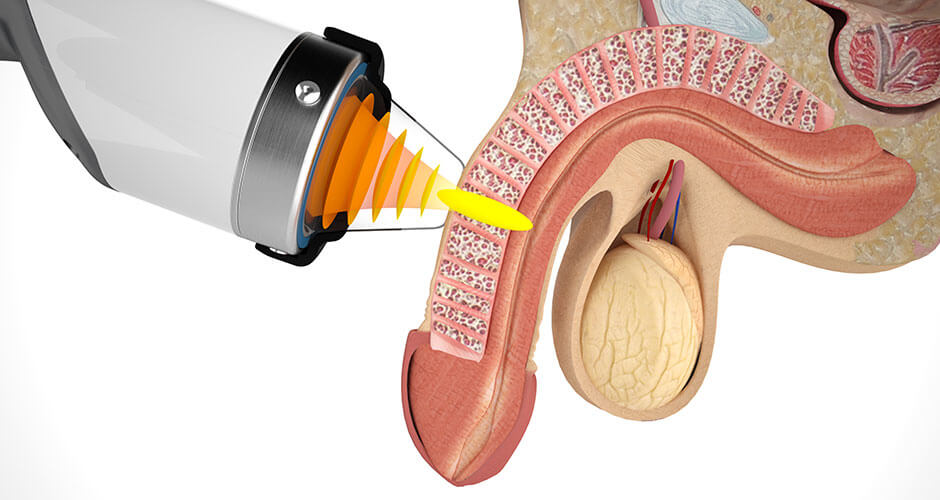
For men with heart conditions, alternative ED treatments may include injections, shockwave therapy, or non-medical devices. To understand the full spectrum of options and their safety profiles, see ED Severity Levels & Best Treatments for Each Stage.
2. Men with Hormonal Imbalances
Testosterone deficiency can contribute to ED. Testosterone replacement therapy (TRT) can improve symptoms, but it is not suitable for all men:
- Prostate Cancer Risk: Men with untreated or suspected prostate cancer should avoid TRT, as testosterone can accelerate tumor growth.
- Severe Sleep Apnea: TRT may worsen sleep apnea, which can indirectly affect erectile function.
- Cardiovascular Concerns: TRT may increase the risk of heart attack in men with pre-existing heart conditions.
Men who cannot take TRT can focus on lifestyle interventions such as regular exercise, weight management, and diet improvements. Natural strategies often help improve erectile function without exposing the body to hormonal risks. For practical exercise-based approaches, see 10 Best Exercises to Improve Erectile Function Naturally.
3. Men with Psychological Conditions
Psychological factors play a significant role in ED. Stress, anxiety, depression, and performance anxiety can all impact sexual function. Certain treatments may be less effective in these cases:
- Severe Depression or Anxiety: Oral medications may not work effectively if psychological conditions are untreated. Therapy or counseling is often needed in conjunction with medical treatments.
- Performance Anxiety: Men experiencing performance anxiety may benefit more from cognitive-behavioral therapy than from relying solely on pills or devices.
Integrating psychological support with physical treatment strategies provides the best outcomes for these individuals. Choosing the right combination of approaches can be guided by resources such as ED Severity Levels & Best Treatments for Each Stage.
4. Men with Diabetes or Metabolic Disorders
Diabetes is a common contributor to ED due to nerve damage and impaired blood flow. Men with diabetes should carefully consider treatment options:
- Oral Medications: PDE5 inhibitors are generally effective but may interact with other medications, including alpha-blockers or nitrates.
- Injection Therapy: Alprostadil and other injection treatments are effective but require proper hygiene. Men with poorly controlled diabetes may face a higher risk of infection at the injection site.
Lifestyle modifications remain critical for improving ED in diabetic men. Maintaining stable blood sugar levels, engaging in regular exercise, and achieving a healthy weight can enhance the effectiveness of medical interventions and improve overall erectile function.
5. Men with Kidney or Liver Impairment
Kidney and liver function are essential for the metabolism and clearance of ED medications:
- Liver Disease: Severe liver impairment can lead to accumulation of oral medications, increasing the risk of side effects such as dizziness or prolonged erections.
- Kidney Disease: Impaired kidney function can reduce drug clearance, leading to potential toxicity or adverse effects.
Men with these conditions may consider non-medical ED treatments or procedures like shockwave therapy, which do not rely heavily on systemic metabolism. For comparisons of treatment types, see Erectile Dysfunction Treatment in Malaysia.
6. Men Prone to Priapism
Priapism is a prolonged and painful erection that can cause permanent tissue damage if not treated promptly. Men with blood disorders or certain health conditions are at higher risk:
- Sickle Cell Disease or Blood Disorders: Injection therapies such as alprostadil increase the risk of priapism.
- High-Dose PDE5 Inhibitors: Overuse of oral medications can trigger prolonged erections in susceptible individuals.
These men should consult healthcare professionals for safer alternatives and be educated on emergency management if priapism occurs.
7. Age-Related Considerations
ED is more prevalent in older men, but age also influences which treatments are suitable:
- Polypharmacy Risks: Older adults often take multiple medications, increasing the potential for drug interactions with ED treatments.
- Reduced Mobility or Frailty: Men with limited mobility may find injection therapy or device-based treatments challenging.
Older men may benefit from combination approaches that integrate medical therapy, lifestyle modifications, and psychological support. Tailoring ED management to age and physical capacity helps improve safety and effectiveness.
8. Lifestyle Factors
Lifestyle habits can influence both the safety and success of ED treatments:
- Smoking and Alcohol: Both can impair erectile function and interfere with treatment effectiveness.
- Obesity: Excess weight can decrease response to medications and increase risk for complications.
Addressing lifestyle factors is often the first step in safe ED management. Exercise, proper nutrition, and moderation of alcohol and tobacco can improve treatment outcomes. For exercise guidance, see 10 Best Exercises to Improve Erectile Function Naturally.
Safety Checklist Before Choosing ED Treatment
Before starting any ED therapy, men should consider the following checklist:
- Review current medications for potential interactions.
- Evaluate cardiovascular, liver, kidney, and metabolic health.
- Consider psychological factors such as stress or anxiety.
- Assess the risk of priapism or blood-related disorders.
- Discuss age-related concerns and mobility issues.
- Evaluate lifestyle factors that may affect treatment effectiveness.
Working with a healthcare provider ensures safe and effective treatment selection. Personalized plans may integrate medical therapy, lifestyle adjustments, and preventive strategies to optimize erectile function.
Conclusion
ED treatments are not universally suitable. Men with cardiovascular conditions, hormonal imbalances, psychological disorders, metabolic issues, or lifestyle risk factors may need to avoid certain therapies to prevent complications. Understanding individual health risks and collaborating with a healthcare provider ensures safer and more effective treatment. Integrating lifestyle improvements with medical therapy enhances erectile function while minimizing risk.
Frequently Asked Questions (FAQ)
1. Who should avoid ED medications in Malaysia?
Men with heart disease, low blood pressure, or those taking nitrates should avoid PDE5 inhibitors like Viagra, Cialis, or Levitra to prevent dangerous blood pressure drops. Alternative treatments or lifestyle strategies may be safer.
2. Is testosterone therapy safe for Malaysian men with ED?
Testosterone replacement therapy is not safe for men with prostate cancer, severe sleep apnea, or certain cardiovascular conditions. Lifestyle changes and exercise may help improve erectile function naturally.
3. Can psychological issues affect ED treatment in Malaysia?
Yes, stress, anxiety, and depression can reduce the effectiveness of ED medications. Men may benefit from counseling, cognitive-behavioral therapy, or combined approaches with medical treatment.
4. Are ED injections safe for men with diabetes in Malaysia?
Injections can be effective, but men with poorly controlled diabetes have a higher risk of infection at the injection site. Blood sugar management and lifestyle interventions are recommended alongside treatment.
5. What lifestyle factors in Malaysia can worsen ED?
Smoking, excessive alcohol, obesity, and lack of exercise can all impair erectile function and reduce treatment effectiveness. Regular exercise, proper diet, and weight management are important preventive measures.
6. What are the safest and most effective ED treatment options for men in Malaysia?
Men in Malaysia can choose from a variety of safe ED treatments depending on their health, age, and lifestyle. Options include oral medications (Viagra, Cialis, Levitra), injection therapy, shockwave therapy, and non-medical solutions like vacuum devices. Lifestyle improvements such as exercise, diet, and weight management also play a key role.