
Table of Contents
Hair loss is a widespread condition affecting both men and women in Malaysia. It can begin subtly with increased shedding or a widening part line and gradually progress to visible thinning or bald patches. While it is often viewed as a cosmetic issue, hair loss is fundamentally a medical condition influenced by genetics, hormones, inflammation, lifestyle factors, and overall scalp health.
In 2026, hair loss treatment in Malaysia has expanded significantly, offering patients a combination of medical therapy, clinic-based regenerative treatments, and surgical restoration. This guide explains all major options, how they work, and how they are typically used in real treatment plans.
Understanding Hair Loss in Malaysia
The most common cause of hair loss in Malaysia is androgenetic alopecia, also known as male or female pattern hair loss. This condition is genetically driven and influenced by dihydrotestosterone (DHT), a hormone derived from testosterone. DHT binds to hair follicles and gradually causes them to shrink in a process known as miniaturisation. Over time, affected follicles produce thinner, weaker hair until growth stops completely.
This condition follows predictable patterns:
- Men: receding hairline and crown thinning
- Women: diffuse thinning along the parting line
Other causes of hair loss include:
- Telogen effluvium (temporary shedding after stress, illness, or childbirth)
- Nutritional deficiencies (iron, vitamin D, protein imbalance)
- Scalp inflammation (seborrheic dermatitis, psoriasis)
- Autoimmune conditions such as alopecia areata
- Medication-induced shedding
Proper diagnosis is essential because treatment depends on the underlying cause.
First-Line Medical Treatments
These treatments form the foundation of modern hair loss management. They are widely prescribed in dermatology and aesthetic clinics across Malaysia and are often required for long-term maintenance.
1. Minoxidil (Topical Treatment)
Minoxidil is one of the most commonly used treatments for hair loss worldwide.
How it works:
- Improves blood circulation to hair follicles
- Extends the growth phase (anagen phase)
- Reactivates miniaturised follicles
Usage:
- Applied directly to the scalp once or twice daily
- Available in 2% and 5% solutions or foam formulations
- Requires continuous use for sustained results
Results timeline:
- Initial shedding may occur in the first 2–8 weeks
- Visible improvement usually appears after 3–6 months
- Maximum results often seen after 12 months
Effectiveness:
Minoxidil is effective in slowing hair loss progression and improving hair density in many patients, especially in early stages. However, it does not address hormonal causes like DHT.
2. Finasteride (Oral Treatment for Men)
Finasteride is a prescription medication widely considered one of the most effective treatments for male pattern hair loss.
How it works:
- Inhibits the enzyme 5-alpha reductase
- Reduces conversion of testosterone into DHT
- Lowers scalp DHT levels significantly
Effects:
- Slows or stops further hair loss in most users
- Promotes regrowth in some areas
- Most effective on crown and mid-scalp regions
Usage:
- Taken once daily (1mg)
- Requires consistent long-term use
Timeline:
- Reduction in hair fall: 3–6 months
- Visible thickening: 6–12 months
Finasteride is not typically used in women due to hormonal considerations and pregnancy risk.
3. Dutasteride (Stronger DHT Blocker)
Dutasteride works similarly to finasteride but inhibits a broader range of DHT-producing enzymes.
Key differences:
- More potent DHT suppression
- Longer half-life in the body
- May produce stronger regrowth in resistant cases
It is often used when finasteride response is inadequate. However, due to stronger systemic effects, it requires careful medical supervision.
Clinic-Based Non-Surgical Treatments in Malaysia
These treatments are commonly offered in dermatology and aesthetic clinics and are used to enhance or accelerate results from medical therapy.
4. PRP (Platelet-Rich Plasma) Therapy
PRP is one of the most widely performed hair restoration treatments in Malaysia.
How it works:
- Blood is drawn from the patient
- Platelets are concentrated via centrifugation
- Growth factor-rich plasma is injected into the scalp
Benefits:
- Stimulates inactive hair follicles
- Improves hair thickness and density
- Enhances scalp blood circulation
Treatment protocol:
- Initial phase: 3–4 sessions spaced 4–6 weeks apart
- Maintenance: every 3–6 months
Effectiveness:
PRP works best in early to moderate hair loss and is often combined with minoxidil or finasteride for improved outcomes.
5. PRF (Platelet-Rich Fibrin)
PRF is a newer variation of PRP that uses a different preparation method.
Key advantages:
- No anticoagulants used
- Slower release of growth factors
- Higher concentration of healing components
Some clinicians consider PRF more biologically active than PRP, although clinical comparison data is still developing.
6. Exosome Therapy (Advanced Regenerative Option)
Exosome therapy is one of the newer regenerative treatments available in select clinics in Malaysia.
How it works:
- Uses extracellular vesicles derived from stem cells
- Delivers growth signals to hair follicles
- Reduces inflammation and supports follicle regeneration
Potential benefits:
- May improve follicle activation
- Supports scalp healing environment
- Used for early responders or PRP non-responders
Limitations:
- High cost
- Limited long-term clinical data
- Treatment protocols are not standardised
It is considered an emerging therapy rather than a first-line treatment.
7. Low-Level Laser Therapy (LLLT)
LLLT uses red light wavelengths to stimulate hair follicles.
Mechanism:
- Increases cellular energy production (ATP)
- Improves microcirculation in the scalp
- Encourages follicle activity
Usage:
- Home devices (laser caps or helmets)
- Clinic-based sessions
- Typically 2–3 times per week
Effectiveness:
LLLT provides mild to moderate improvement and is often used as a supportive therapy rather than a standalone solution.
8. Microneedling
Microneedling involves using fine needles to create controlled micro-injuries in the scalp.
Benefits:
- Stimulates natural wound healing response
- Increases collagen production
- Enhances absorption of topical treatments like minoxidil
Microneedling is often combined with PRP or minoxidil to improve outcomes.
Surgical Hair Restoration
9. Hair Transplant (FUE Method)
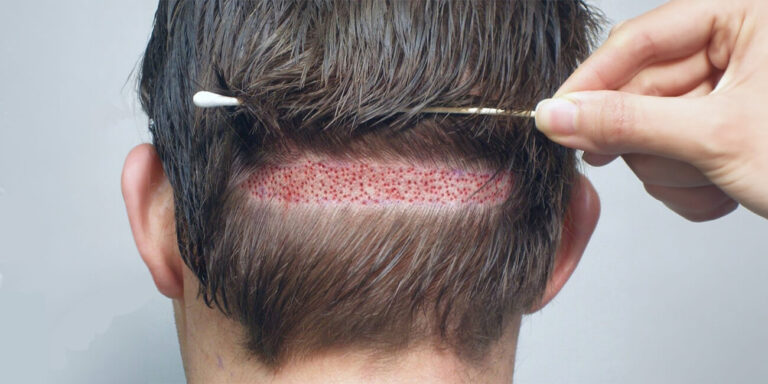
Follicular Unit Extraction (FUE) is the most common hair transplant method in Malaysia.
Procedure:
- Hair follicles are extracted from donor areas (usually back of scalp)
- Transplanted into thinning or bald areas
- Follicles retain genetic resistance to DHT
Advantages:
- Permanent results for transplanted hair
- Natural-looking outcomes when done properly
Limitations:
- Does not stop future hair loss in non-transplanted areas
- Requires sufficient donor hair density
- May require multiple sessions for advanced cases
Cost in Malaysia:
- Typically ranges from RM8,000 to RM30,000 depending on graft count and clinic
Hair transplants are usually combined with medical therapy to preserve existing hair.
Treatment Strategy by Severity
Early Stage Hair Loss
- Minoxidil
- Finasteride (men)
- Scalp care (ketoconazole shampoo)
Goal: slow progression and maintain density
Moderate Hair Loss
- Minoxidil + finasteride or dutasteride
- PRP or PRF therapy
- Microneedling
- LLLT
Goal: stabilise loss and improve thickness
Advanced Hair Loss
- Dutasteride or finasteride maintenance
- FUE hair transplant
- PRP or regenerative therapy for support
Goal: restore appearance and maintain remaining follicles
Malaysia Treatment Landscape
Malaysia has a rapidly growing aesthetic and dermatology sector, particularly in urban areas such as Kuala Lumpur, Selangor, and Penang. Clinics now offer a full range of treatments from basic medical therapy to advanced regenerative procedures.
Key characteristics of the Malaysian market:
- High accessibility to PRP and hair transplant services
- Increasing adoption of regenerative therapies
- Growing awareness among younger patients
- Early treatment still less common compared to Western countries
Environmental factors such as humidity, scalp oil production, and lifestyle stress may also contribute to hair and scalp issues in the local population.
Effectiveness Overview
- Most effective long-term medical combination: finasteride + minoxidil
- Best clinic-based add-on: PRP or PRF
- Most permanent solution: FUE hair transplant
- Most experimental option: exosome therapy
- Most supportive therapies: LLLT and microneedling
Risks and Limitations
Hair loss treatments require consistency and long-term management. Key limitations include:
- Continuous medication use is required for maintenance
- Clinic treatments require multiple sessions
- Transplants do not prevent future loss
- Results vary based on genetics and disease stage
Stopping treatment often leads to gradual reversal of improvements.
Conclusion
Hair loss treatment in Malaysia in 2026 offers a full spectrum of options ranging from clinically proven medications to advanced regenerative procedures and surgical restoration. The most effective outcomes are usually achieved through combination therapy tailored to the individual’s stage of hair loss and underlying cause.
Early intervention remains the most important factor in preserving hair density and achieving long-term stability.
Frequently Asked Questions (FAQ)
1. What is the most effective treatment for hair loss in Malaysia?
The most effective long-term approach is a combination of finasteride and minoxidil for men, often supported by PRP therapy. For advanced cases, hair transplantation provides permanent restoration.
2. How long does it take to see results from hair loss treatment?
Most medical treatments take 3–6 months to show initial improvement, with maximum results typically seen after 12 months of consistent use.
3. Is PRP treatment effective for hair loss?
PRP can improve hair thickness and reduce shedding in early to moderate hair loss. It works best when combined with medical treatments like minoxidil or finasteride.
4. Can hair loss be reversed permanently without surgery?
Non-surgical treatments can slow or partially reverse hair loss, but they usually require continuous maintenance. Only hair transplant surgery provides permanent results for transplanted follicles.
5. Is hair loss treatment suitable for women in Malaysia?
Yes. Women can benefit from treatments such as minoxidil, PRP, microneedling, and laser therapy. Some oral medications are not suitable for women and require medical evaluation.