
Table of Contents
Advanced hair loss treatments refer to clinical and surgical options such as PRP therapy, exosome therapy, laser therapy, and hair transplantation. These treatments are designed for cases where basic solutions like shampoos or over-the-counter products are no longer sufficient.
Suitability is determined mainly by hair loss stage, follicle condition, scalp health, and medical history.
1. Individuals with Moderate to Severe Hair Loss
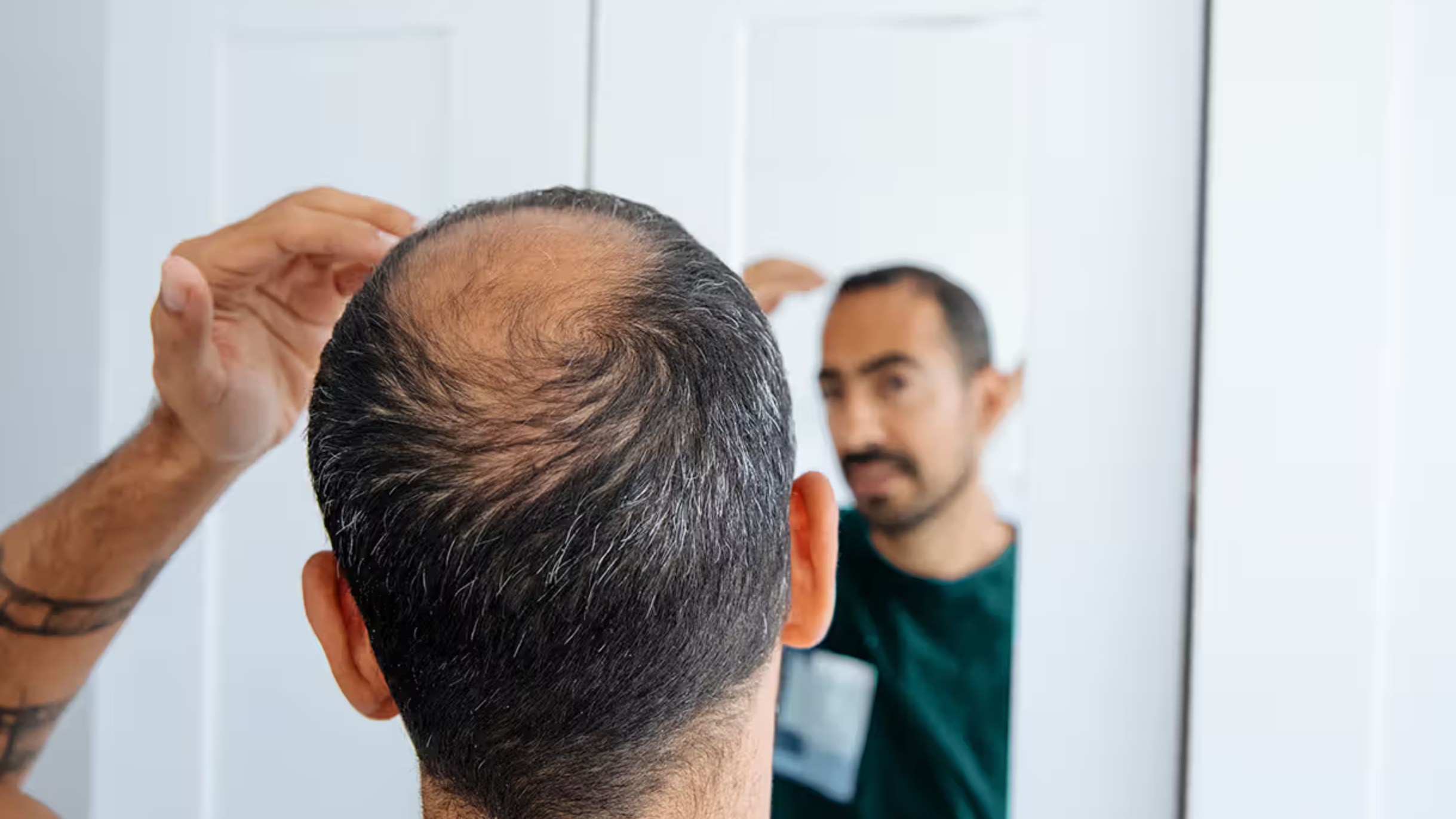
Advanced treatments are most suitable for people with visible thinning or bald areas.
Common signs include:
- Receding hairline (temple recession)
- Visible scalp at the crown
- Diffuse thinning across the scalp
- Reduced hair density over time
In these cases, follicles may still exist but are weakened or miniaturised. Treatments like PRP or transplant can help restore density or redistribute healthy follicles.
2. Individuals Who Do Not Respond to Basic Treatments
Some patients do not achieve sufficient results from:
- Minoxidil
- Finasteride
- Medicated shampoos
This may indicate:
- Poor follicle response
- Long-term DHT exposure
- Advanced follicle miniaturisation
Advanced treatments are often considered when hair loss continues despite consistent medical therapy over 6–12 months.
3. Individuals with Stable Hair Loss Patterns
Certain treatments, especially hair transplants, require stable hair loss.
Suitable candidates typically have:
- No rapid shedding phase
- Predictable pattern of baldness (e.g., male pattern baldness)
- Stable donor area at the back or sides of scalp
If hair loss is still rapidly progressing, stabilisation is usually recommended before surgical procedures.
4. Individuals with Adequate Donor Hair (For Transplant)
Hair transplant requires sufficient healthy donor follicles, usually from:
- Back of the scalp
- Sides of the head
Suitable candidates:
- Good donor density
- Strong hair calibre (thickness)
- No diffuse donor thinning
Without adequate donor supply, transplant results may be limited or unsuitable.
5. Individuals with Early Response to Regenerative Treatments
Advanced non-surgical treatments such as PRP or exosomes are more effective for:
- Early to moderate thinning
- Follicles that are still active but weakened
- Patients seeking to delay or avoid surgery
These treatments work best when follicles are not fully dormant.
6. Individuals with Realistic Expectations
Advanced hair loss treatments do not restore:
- Childhood hair density
- Completely dead follicles
- Immediate full regrowth
Suitable candidates understand:
- Results take months
- Multiple sessions are required
- Maintenance may be necessary
This is especially important for PRP and regenerative therapies.
7. Individuals Without Contraindications
Certain conditions may affect suitability:
- Active scalp infections
- Uncontrolled medical conditions
- Blood clotting disorders (for PRP)
- Pregnancy or breastfeeding (for some medications)
A medical assessment is required before treatment selection.
Summary
Advanced hair loss treatments are most suitable for individuals who:
- Have moderate to severe thinning or baldness
- Do not respond well to basic medication
- Have stable hair loss patterns
- Possess sufficient donor hair (for transplant)
- Maintain realistic expectations about outcomes
- Are medically fit for procedures
Frequently Asked Questions (FAQ)
1. How do I know if I need advanced hair loss treatment?
If hair thinning is visible, progressing, or not improving after 6–12 months of medication, advanced treatment may be considered.
2. Can advanced treatments work on completely bald areas?
Hair transplant can restore coverage if donor hair is available. Non-surgical treatments generally do not regrow fully inactive follicles.
3. Is there an age limit for advanced hair loss treatments?
There is no strict age limit, but suitability depends more on scalp condition and donor hair quality than age alone.
4. Can women undergo advanced hair loss treatments?
Yes. Women can undergo PRP, laser therapy, and selected transplant procedures depending on the pattern and cause of hair loss.
5. Do I need to stop hair loss before doing a transplant?
Yes. Hair loss is usually stabilised first using medication or therapy to prevent continued thinning after transplant.