
Table of Contents
Key Takeaways
- ZSR circumcision uses a stapler-assisted device that removes the foreskin evenly and closes the wound simultaneously, improving incision uniformity.
- Traditional circumcision relies on manual cutting and suturing, which introduces greater variability in skin alignment and cosmetic outcome.
- ZSR is associated with shorter operative time and reduced tissue handling, factors linked to lower postoperative discomfort.
- The standardized mechanism of ZSR reduces the likelihood of uneven skin cutting compared to freehand surgical methods.
- The cost of ZSR is typically approximately 2× higher due to disposable device expenses and specialized equipment.
- Parents prioritize pain reduction, safety, cosmetic results, and complication avoidance over cost when making medical decisions for children.
- Risk-averse parental psychology and anticipated regret often justify selecting a higher-cost procedure perceived as safer and more controlled.
- In pediatric care, psychological reassurance and minimized postoperative stress are significant decision drivers alongside clinical factors.
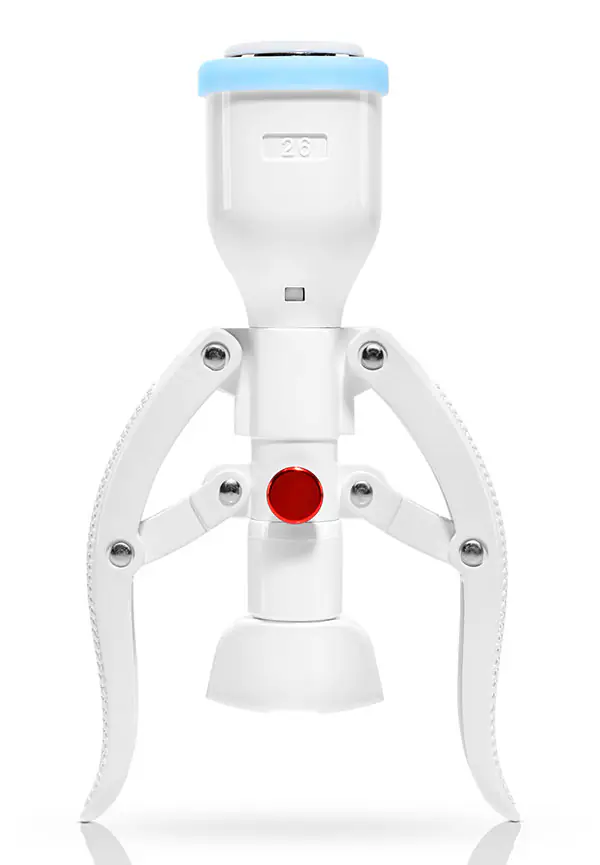
ZSR circumcision is a stapler-assisted technique designed to remove the foreskin in a controlled, uniform manner. In pediatric cases, it is frequently evaluated against conventional surgical circumcision, which relies on manual cutting and suturing. The distinction between these methods is not limited to technique alone. It extends to precision, postoperative recovery, complication rates, and parental decision-making psychology.
Procedural Precision and Consistency
Traditional circumcision is performed using a scalpel or scissors, followed by suturing. The final cosmetic outcome and symmetry depend significantly on surgical technique. Variability in incision alignment can occur, and in rare cases, uneven skin removal may lead to aesthetic concerns or the need for revision.
ZSR utilizes a circular stapling device engineered to excise the foreskin evenly while simultaneously placing staples for wound closure. The mechanism standardizes the incision line, reducing the probability of irregular cuts. Clinical observations indicate that this uniformity contributes to consistent cosmetic outcomes and controlled wound edges.
Pain Profile and Postoperative Comfort
Pain perception in pediatric patients is a major clinical and parental concern. Conventional circumcision may involve tissue handling, suturing, and longer procedural time, which can contribute to postoperative discomfort and swelling.
ZSR is designed to reduce tissue trauma through simultaneous cutting and stapling. Reduced operative time and minimized manual suturing are associated with lower reported pain scores in some clinical settings. Shorter procedure duration also limits intraoperative stress exposure for the child.
Postoperative recovery often includes:
- Reduced edema
- Shorter wound-healing duration
- Less need for extensive dressing changes
While pain perception varies among individuals, procedural efficiency is a measurable factor influencing recovery.
Risk of Technical Error
In conventional surgery, incision depth and skin alignment are manually controlled. Although performed by trained practitioners, manual techniques inherently carry variability. Incorrect depth of cut, asymmetry, or uneven skin removal are recognized surgical risks, particularly in less controlled environments.
ZSR devices are designed with size selection parameters to match anatomical measurements, reducing dependence on freehand cutting. This standardization lowers the likelihood of uneven excision.
Cost Differential
The cost of ZSR circumcision is typically higher, often approximately double that of conventional methods. Contributing factors include:
- Disposable stapler device cost
- Device importation and procurement expenses
- Specialized equipment
Traditional circumcision relies primarily on standard surgical instruments, resulting in lower procedural expense.
Psychology of Parents in Pediatric Surgical Decisions
Parental decision-making is influenced by risk perception rather than price alone. Behavioral research in healthcare decision models demonstrates that parents prioritize:
- Pain avoidance
- Safety and complication minimization
- Cosmetic outcome
- Emotional distress reduction
When evaluating surgical options for children, parents commonly demonstrate risk-averse behavior. Even if a procedure costs 2x more, the perceived reduction in pain and technical error can outweigh financial considerations.
The concept of “anticipated regret” is particularly relevant. Parents often assess potential future regret if complications occur from a lower-cost method. If a conventional surgery were to result in uneven skin cutting or prolonged discomfort, retrospective self-blame may be psychologically significant.
In contrast, choosing a method perceived as technologically advanced and standardized may provide cognitive reassurance. This reassurance has measurable psychological value, especially in pediatric care contexts.
Operative Time and Anxiety Reduction
Children may experience preoperative anxiety influenced by parental emotional state. Shorter procedures and simplified postoperative care reduce cumulative stress exposure for both child and parent. Reduced wound management complexity may also decrease caregiver anxiety during recovery.
Clinical Considerations
ZSR is not universally indicated for all cases. Anatomical variation, infection, or specific medical conditions may influence suitability. Final selection should follow medical evaluation.
Conclusion
ZSR circumcision for children represents a device-assisted approach emphasizing incision precision, procedural efficiency, and controlled wound closure. Although it carries approximately double the cost of traditional circumcision, the method addresses key parental concerns: pain reduction, minimized technical variability, and cosmetic predictability.
In pediatric surgical decisions, economic cost is often secondary to perceived safety and psychological reassurance. The higher upfront expense may be justified by reduced complication risk, standardized execution, and decreased postoperative discomfort.
Frequently Asked Questions (FAQ)
1. Is ZSR circumcision safer than traditional circumcision for children?
ZSR is designed to standardize the cutting and wound closure process, reducing variability associated with manual techniques. Safety in any procedure depends on proper patient selection, sterile conditions, and practitioner experience.
2. Does ZSR circumcision reduce pain compared to traditional surgery?
ZSR involves simultaneous cutting and stapling with shorter operative time. Reduced tissue handling and faster completion are associated with lower postoperative discomfort in clinical observations, though pain perception varies by individual.
3. Why is ZSR circumcision more expensive?
The higher cost is primarily due to the single-use stapler device and specialized equipment. Traditional circumcision uses reusable surgical instruments, resulting in lower procedural expenses.
4. Can traditional circumcision result in uneven skin removal?
Traditional methods rely on manual incision and suturing. While commonly performed safely, freehand techniques carry a degree of variability, which can affect symmetry or cosmetic outcome.
5. Why do some parents choose ZSR despite the higher cost?
Parental decision-making often prioritizes pain reduction, safety, and cosmetic predictability. Risk aversion and concern about potential complications can outweigh financial considerations when choosing a surgical method for a child.