
Table of Contents
Erectile dysfunction (ED) can be treated through multiple medical approaches ranging from oral medication to injectable drugs and device-based or regenerative therapies. Among these, Caverject (alprostadil injection) is one of the most established second-line treatments for patients who do not respond adequately to oral therapy.
Understanding how Caverject compares with other ED treatments helps clarify its role in clinical practice, particularly in moderate to severe cases.
What is Caverject Injection?
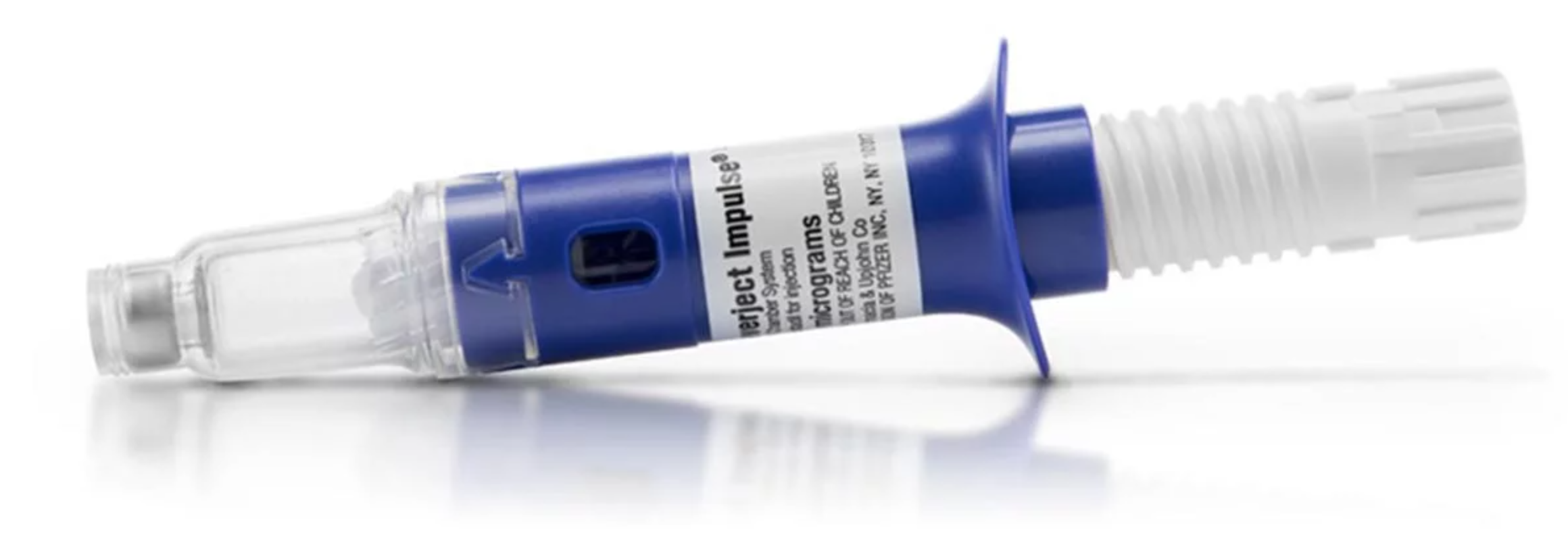
Caverject is a prescription medication containing alprostadil, a synthetic form of prostaglandin E1. It is injected directly into the corpora cavernosa of the penis.
It works by relaxing smooth muscle and dilating blood vessels, increasing blood flow and producing an erection independent of sexual stimulation or nerve signaling.
Caverject is typically used when oral medications are ineffective or contraindicated.
How Caverject Works Compared to Oral Medications
Oral ED drugs such as sildenafil, tadalafil, and vardenafil function by inhibiting the PDE5 enzyme. This enhances the natural erectile response but still requires sexual stimulation.
Caverject differs in mechanism:
- Oral medications enhance existing pathways
- Caverject directly induces vasodilation locally
- Oral drugs depend on nerve and endothelial function
- Caverject bypasses neurological signaling entirely
This makes Caverject significantly more effective in cases involving nerve damage or severe vascular dysfunction.
Effectiveness Comparison
Caverject has higher reliability in producing an erection compared to oral medications in resistant cases.
General clinical patterns:
- Oral PDE5 inhibitors: effective in ~60–80% of patients depending on severity
- Caverject injection therapy: effective in ~80–90% or higher in properly selected patients
Caverject is particularly effective in:
- Diabetes-related ED
- Post-prostate surgery ED
- Severe vascular insufficiency
- Patients non-responsive to oral medication
Oral medications remain effective for:
- Mild to moderate ED
- Psychogenic ED
- Early-stage vasculogenic ED
Onset Time and Duration
Caverject produces a rapid response:
- Onset: approximately 5–15 minutes
- Duration: 30–90 minutes (dose dependent)
Oral medications vary:
- sildenafil: onset 30–60 minutes, duration 4–6 hours
- tadalafil: onset 30–45 minutes, duration up to 36 hours
Injection therapy provides more predictable timing, while oral drugs depend on absorption, food intake, and metabolic variation.
Comparison with Other Injection Therapies
Caverject is part of a broader group of intracavernosal injection therapies, which may include:
- Alprostadil alone (Caverject)
- Combination therapies (e.g., papaverine + phentolamine + alprostadil)
Combination injections (often called “trimix” in clinical settings) may be more potent than Caverject alone in severe ED cases, but they also increase complexity and require compounding pharmacies.
Caverject is standardized, which improves consistency in dosing and reduces variability in response compared to compounded mixtures.
Comparison with Shockwave Therapy
Low-intensity shockwave therapy (Li-ESWT) is a non-invasive regenerative treatment that aims to improve penile blood flow over time.
Key differences:
- Caverject produces immediate pharmacological erections
- Shockwave therapy aims for gradual vascular improvement
- Caverject is symptom-focused
- Shockwave targets underlying vascular health
Shockwave therapy may benefit mild to moderate ED, while Caverject is used for immediate and predictable erection induction in more severe cases or when rapid response is needed.
Comparison with PRP Therapy
Platelet-rich plasma (PRP) therapy is an experimental regenerative approach involving injection of growth factors derived from the patient’s blood.
Differences:
- Caverject: pharmacological vasodilation
- PRP: tissue regeneration hypothesis
- Caverject: immediate effect
- PRP: delayed, variable outcomes
PRP lacks standardized clinical protocols and has limited high-quality human evidence compared to established injection therapy.
Side Effects and Safety Profile
Caverject is effective but carries specific risks due to direct tissue injection.
Common side effects:
- Penile pain or discomfort
- Bruising or minor bleeding
- Dizziness (rare)
More serious risks:
- Priapism (prolonged erection >4 hours)
- Fibrosis or scar tissue with repeated use
- Incorrect injection technique complications
Priapism is the most clinically significant risk and requires emergency medical intervention if prolonged.
Oral medications generally have systemic side effects such as headache, flushing, and nasal congestion but do not carry priapism risk at the same frequency.
Ease of Use and Patient Acceptance
Oral medications remain the most commonly prescribed first-line ED treatment due to convenience and non-invasive use.
Injection therapy requires:
- Training for self-administration
- Comfort with penile injection
- Dose titration under medical supervision
Despite higher effectiveness, psychological barriers reduce long-term adherence for some patients.
Cost Considerations
Caverject is typically more expensive per use than generic oral medications such as sildenafil.
Cost factors include:
- Prescription pricing
- Frequency of use
- Medical consultation for initiation and dose adjustment
Oral medications are generally lower cost, especially in generic form, and widely accessible.
Shockwave therapy and PRP often involve higher upfront treatment costs but differ from ongoing per-use medication costs.
When Caverject is Preferred
Caverject is typically recommended in cases where:
- Oral PDE5 inhibitors fail
- Severe vasculogenic or neurogenic ED is present
- Rapid and predictable erection is required
- Post-surgical ED affects nerve function
It is considered a second-line or third-line therapy depending on clinical guidelines and patient response.
Key Differences Summary
Treatment | Mechanism | Onset | Effectiveness | Invasiveness | Use Case |
Caverject (alprostadil injection) | Direct vasodilation | 5–15 min | High (80–90%+) | Invasive | Severe or resistant ED |
Sildenafil | PDE5 inhibition | 30–60 min | Moderate–high | Non-invasive | First-line ED |
Tadalafil | PDE5 inhibition | 30–45 min | Moderate–high | Non-invasive | Long-duration ED support |
Shockwave therapy | Vascular regeneration | Weeks | Variable | Non-invasive | Mild–moderate ED |
PRP therapy | Growth factor regeneration | Weeks–months | Experimental | Invasive | Adjunct/experimental |
Conclusion
Caverject injection therapy is one of the most effective pharmacological treatments for erectile dysfunction, particularly in cases where oral medications fail or are insufficient.
It provides rapid, predictable erections independent of sexual stimulation and neurological function, making it highly effective in severe or complex ED cases.
However, its invasive nature, risk of local side effects, and requirement for patient training limit its use as a first-line treatment. Oral medications remain the initial approach due to convenience and safety, while regenerative therapies like shockwave or PRP are emerging adjunct options with varying levels of evidence.
Frequently Asked Questions (FAQ)
1. What is Caverject used for?
Caverject (alprostadil injection) is used to treat erectile dysfunction by directly increasing blood flow to the penis, producing an erection when oral medications are ineffective or unsuitable.
2. How fast does Caverject work?
It typically produces an erection within 5–15 minutes after injection, making it one of the fastest-acting ED treatments available.
3. Is Caverject more effective than oral ED medication?
Yes. It generally has higher effectiveness (around 80–90% in appropriate patients) compared to oral PDE5 inhibitors, especially in severe or treatment-resistant ED.
4. What are the main side effects of Caverject?
Common side effects include penile pain, mild bruising, and prolonged erections. A rare but serious risk is priapism (an erection lasting more than 4 hours).
5. Who should consider Caverject injections?
It is usually recommended for men who do not respond to oral medications, or those with severe ED due to conditions like diabetes or nerve damage.