
Table of Contents
Erectile dysfunction (ED) is commonly treated with either oral medications or penile injections. Both approaches aim to improve erectile function, but they differ significantly in mechanism, effectiveness, onset time, and suitability depending on the underlying cause of ED.
Overview of Oral Medications
Oral medications for ED primarily belong to a class known as phosphodiesterase type 5 (PDE5) inhibitors. Common examples include sildenafil, tadalafil, vardenafil, and avanafil. These drugs work by enhancing the natural erectile response to sexual stimulation.
They do not directly cause an erection. Instead, they increase blood flow to the penis by relaxing smooth muscle and dilating blood vessels when sexual arousal triggers nitric oxide release. Without stimulation, these medications are generally ineffective.
Overview of Penile Injections
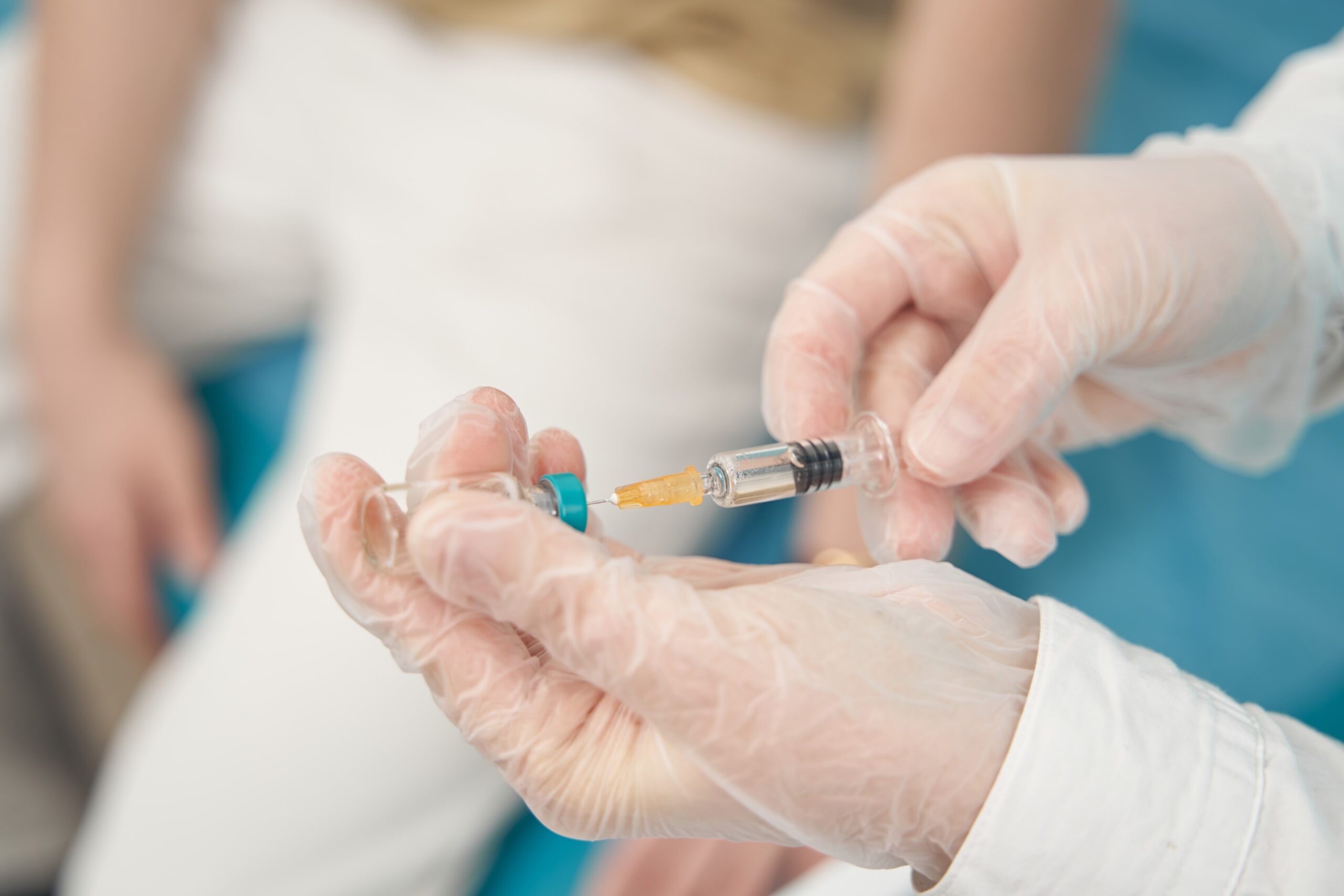
Penile injection therapy involves injecting vasoactive drugs directly into the erectile tissue of the penis. The most commonly used medications include alprostadil, papaverine, and phentolamine, either alone or in combination (e.g., Trimix).
Unlike oral medications, injections act locally and do not depend on sexual stimulation. They directly induce an erection by relaxing smooth muscle and increasing blood flow within the penis.
Mechanism of Action
Oral medications work systemically. They inhibit the PDE5 enzyme, which results in increased levels of cyclic guanosine monophosphate (cGMP). This enhances the natural process of vasodilation during sexual arousal.
Injections bypass this pathway entirely. They directly trigger vasodilation within the penile tissue, producing an erection regardless of nerve signaling or psychological stimulation. This makes injections effective even when nerve function is impaired.
Effectiveness Comparison
Penile injections are generally more effective than oral medications, particularly in moderate to severe ED.
Clinical data indicates:
- Oral medications are effective in approximately 60–80% of men with ED, depending on underlying conditions.
- Injection therapy has success rates exceeding 80–90%, including in patients who do not respond to oral drugs.
Injections are particularly effective in:
- Diabetes-related ED
- Post-prostate surgery ED
- Severe vascular or neurogenic ED
Oral medications are typically sufficient for:
- Mild to moderate ED
- Situational or psychological ED
- Patients with intact vascular and nerve function
Onset and Duration
Oral medications vary in onset and duration:
- Sildenafil: onset 30–60 minutes, duration 4–6 hours
- Tadalafil: onset 30–45 minutes, duration up to 36 hours
- Avanafil: faster onset, sometimes within 15–30 minutes
Injections act much faster:
- Onset typically within 5–15 minutes
- Duration ranges from 30 to 90 minutes
This rapid onset makes injections more predictable, whereas oral medications depend on factors such as food intake, alcohol consumption, and individual metabolism.
Ease of Use and Convenience
Oral medications are non-invasive and easy to use. They are taken as needed or daily, depending on the drug and treatment plan. This convenience contributes to their position as first-line therapy.
Injections require:
- Patient training
- Proper dosing technique
- Comfort with self-injection
This reduces patient acceptance despite higher effectiveness. Some patients discontinue injections due to discomfort or psychological resistance.
Side Effects and Safety
Oral medications may cause systemic side effects, including:
- Headache
- Flushing
- Nasal congestion
- Indigestion
- Visual disturbances (rare)
They are contraindicated in patients taking nitrates due to the risk of severe hypotension.
Injection therapy side effects include:
- Local pain at injection site
- Bruising
- Fibrosis (scar tissue formation with repeated use)
- Priapism (prolonged erection lasting more than 4 hours)
Priapism is a medical emergency and represents the most significant risk associated with injections.
Suitability by Patient Profile
Oral medications are typically recommended as the first-line treatment for most men with ED due to ease of use and acceptable effectiveness.
They are suitable for:
- Men with mild to moderate ED
- Patients seeking non-invasive treatment
- Those without contraindications (e.g., nitrate use)
Injections are considered second-line therapy and are suitable for:
- Patients who do not respond to oral medications
- Severe ED cases
- Patients with nerve damage or post-surgical ED
- Individuals requiring reliable and predictable erections
Cost Considerations
Oral medications are widely available and vary in cost depending on brand, dosage, and frequency of use. Generic versions (e.g., sildenafil) have reduced cost significantly.
Injection therapy may involve higher ongoing costs due to compounded medications and clinical consultations. However, per-use effectiveness may offset cost in certain cases.
Insurance coverage varies and may not fully cover either treatment depending on region and policy.
Psychological and Behavioral Factors
Oral medications align more closely with spontaneous sexual activity, although timing is still required.
Injections require planning and preparation, which may affect psychological comfort and spontaneity. However, the reliability of erections may improve confidence in patients who previously experienced treatment failure.
Key Differences Summary
Factor | Oral Medications | Penile Injections |
Administration | Oral | Injection |
Mechanism | Enhances natural response | Directly induces erection |
Effectiveness | Moderate (60–80%) | High (80–90%+) |
Onset | 15–60 minutes | 5–15 minutes |
Duration | 4–36 hours (drug dependent) | 30–90 minutes |
Invasiveness | Non-invasive | Invasive |
Side effects | Systemic | Local + risk of priapism |
Line of treatment | First-line | Second-line |
Conclusion
Penile injections demonstrate higher effectiveness and reliability, particularly in severe or treatment-resistant ED. They act independently of nerve function and produce rapid, predictable results.
Oral medications remain the preferred first-line treatment due to convenience, safety profile, and ease of use, despite lower overall effectiveness.
The choice between oral medication and injection therapy depends on severity of ED, underlying cause, patient preference, tolerance for invasiveness, and response to initial treatment.
Frequently Asked Questions (FAQ)
1. Are oral ED medications as effective as injections?
Oral medications are effective in about 60–80% of men with erectile dysfunction. Injection therapy has higher effectiveness, often exceeding 80–90%, especially in severe or treatment-resistant cases.
2. How fast do injections work compared to pills?
Penile injections typically work within 5–15 minutes. Oral medications usually take 15–60 minutes depending on the drug and individual response.
3. Which treatment is better for severe ED?
Injection therapy is generally more effective for severe ED, including cases caused by diabetes, nerve damage, or post-prostate surgery conditions.
4. Are penile injections painful?
Most patients report mild discomfort rather than significant pain. Proper technique and small needles reduce discomfort, and training is usually provided before use.
5. Can oral medication and injections be used together?
They are generally not used at the same time. Injections are typically prescribed when oral medications are ineffective or unsuitable.