
Table of Contents
Hair loss affects individuals differently, and not every type of hair thinning responds to the same treatment. Some people experience gradual thinning along the crown, while others notice sudden shedding, receding hairlines, or patchy bald spots.
Because hair loss can result from genetics, hormonal changes, stress, scalp conditions, nutritional deficiencies, or medical factors, selecting the right treatment depends heavily on identifying the underlying symptoms first.
Understanding the pattern and cause of hair loss is one of the most important steps before starting any treatment plan.
Key Takeaways
- Different hair loss symptoms require different treatment approaches
- Early diagnosis improves treatment effectiveness
- Hair shedding, thinning, and patchy loss may have different causes
- Some treatments focus on slowing loss, while others stimulate regrowth
- Professional assessment helps determine the most suitable solution
Why Hair Loss Treatments Are Not One-Size-Fits-All
Hair loss is not a single condition.
Common causes include:
- Genetic hair loss
- Hormonal changes
- Stress-related shedding
- Nutritional deficiencies
- Autoimmune conditions
- Scalp inflammation
Each cause produces different symptoms and progression patterns, which is why treatment must be tailored accordingly.
Step One: Identify the Main Hair Loss Symptoms
Before choosing a treatment, it is important to understand how the hair loss appears.
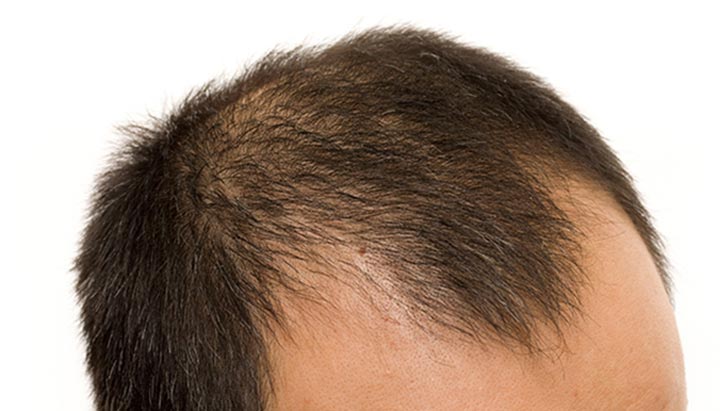
Gradual Thinning on the Crown or Hairline
This is one of the most common signs of androgenetic alopecia (pattern hair loss).
Typical signs include:
- Receding hairline
- Widening part line
- Thinning crown area
- Progressive reduction in hair density
This type usually develops slowly over time.
Sudden Excessive Hair Shedding
Some individuals notice increased hair fall during washing or brushing.
This may be linked to:
- Stress
- Illness
- Hormonal shifts
- Nutritional imbalance
- Post-pregnancy changes
This condition is commonly associated with telogen effluvium.
Patchy Hair Loss
Patchy bald spots may indicate:
- Alopecia areata
- Autoimmune-related hair loss
- Scalp disorders
This type often requires medical evaluation rather than standard hair growth products alone.
Hair Breakage and Weak Hair Texture
Sometimes the issue is not true hair loss but weakened hair shafts.
Signs include:
- Brittle strands
- Dry texture
- Frequent breakage
- Reduced hair strength
This may relate to heat damage, chemical treatments, or nutritional deficiencies.
Choosing Treatment Based on Hair Loss Type
Different symptoms often respond better to specific treatment approaches.
Treatments for Genetic Hair Loss
Pattern hair loss usually requires long-term management.
Common approaches include:
- Medications to slow hair miniaturisation
- Hair growth stimulation treatments
- Scalp therapies
- Regenerative treatments
- Hair transplant procedures in advanced cases
Early intervention is important because untreated follicles may weaken over time.
Treatments for Stress-Related Hair Shedding
Stress-related shedding often improves once the triggering factor is addressed.
Management may involve:
- Stress reduction
- Sleep improvement
- Nutritional correction
- Scalp support treatments
Hair regrowth is often possible if follicles remain healthy.
Treatments for Hormonal Hair Loss
Hormonal imbalances may contribute to hair thinning in both men and women.
Common signs include:
- Diffuse thinning
- Increased shedding
- Hair density reduction
Treatment may involve:
- Hormonal assessment
- Medical management
- Scalp-focused regenerative therapies
Treatments for Patchy Hair Loss
Patchy hair loss requires proper diagnosis because autoimmune causes may be involved.
Treatment may include:
- Anti-inflammatory management
- Medical therapies
- Targeted scalp treatments
Self-treatment without diagnosis is not recommended.
Treatments for Weak or Damaged Hair
When hair breakage is the primary issue, focus is placed on improving hair quality.
This may include:
- Protein support
- Gentle haircare routines
- Scalp nourishment
- Reducing heat or chemical damage
Common Modern Hair Loss Treatment Options
Several treatment categories are commonly used depending on symptoms and severity.
Topical Treatments
Applied directly to the scalp to support hair growth and follicle activity.
Best for:
- Early-stage thinning
- Mild hair loss
Oral Medications
Used to slow progression of certain hair loss conditions.
Best for:
- Pattern hair loss
- Hormonal-related thinning
PRP and Regenerative Treatments
These use growth factors to support scalp and follicle health.
Best for:
- Early to moderate thinning
- Hair quality improvement
Hair Transplant Procedures
Used when follicles are permanently lost in certain areas.
Best for:
- Advanced pattern baldness
- Receding hairlines with stable donor areas
Importance of Early Treatment
Hair loss often becomes harder to reverse once follicles become inactive for prolonged periods.
Early treatment may help:
- Preserve existing follicles
- Slow progression
- Improve treatment response
- Reduce long-term thinning severity
When to Seek Professional Assessment
Professional assessment is important when:
- Hair loss becomes persistent
- Shedding increases suddenly
- Bald patches appear
- Scalp irritation develops
- Over-the-counter treatments fail
A proper diagnosis helps avoid ineffective or unsuitable treatments.
Why Self-Diagnosis Can Be Misleading
Different hair loss conditions may appear similar initially.
For example:
| Symptom | Possible Cause |
|---|---|
| Receding hairline | Genetic hair loss |
| Sudden shedding | Stress or hormonal change |
| Patchy loss | Autoimmune condition |
| Weak strands | Hair damage or nutrition issue |
Treating the wrong cause may delay improvement.
Factors That Influence Treatment Success
Treatment outcomes depend on several factors:
- Cause of hair loss
- Duration of hair thinning
- Age and genetics
- Overall scalp health
- Consistency of treatment
No single treatment guarantees identical results for everyone.
Final Thoughts
Choosing the right hair loss treatment depends on understanding the specific symptoms and underlying causes involved. Hair thinning, excessive shedding, patchy loss, and weak hair texture each require different treatment approaches and management strategies.
Early diagnosis and personalised assessment are essential for improving treatment effectiveness and preventing further progression. Rather than relying on generic solutions, identifying the root cause allows for a more targeted and realistic long-term approach to hair restoration and scalp health.