
Table of Contents
Hair loss affects both men and women and can occur for many different reasons. While some cases develop gradually over time, others appear suddenly due to stress, illness, hormonal changes, or medical conditions.
Understanding the underlying cause of hair loss is important because different conditions require different treatment approaches. In many cases, early identification may help slow progression and improve long-term scalp and hair health.
Below are the top 10 most common causes of hair loss in men and women.
Key Takeaways
- Hair loss can result from genetics, hormones, stress, or medical conditions
- Men and women may experience different hair loss patterns
- Some causes are temporary, while others are progressive
- Early diagnosis improves treatment outcomes
- Professional assessment is important for persistent or sudden hair loss
1. Genetic Hair Loss (Androgenetic Alopecia)
Genetic hair loss is the most common cause of hair thinning worldwide.
In men, it often appears as:
- Receding hairline
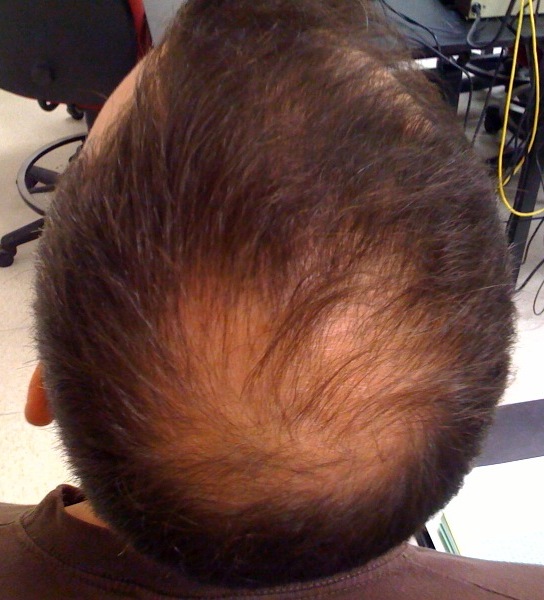
- Thinning crown
- Progressive baldness
In women, it usually presents as:
- Widening part line
- Diffuse thinning across the scalp
- Reduced hair density
This condition develops gradually and is influenced by genetics and hormones.
2. Hormonal Imbalance
Hormonal changes can significantly affect hair growth cycles.
Common hormonal-related causes include:
- Thyroid disorders
- Polycystic ovary syndrome (PCOS)
- Menopause
- Testosterone-related changes
- Pregnancy and postpartum hormone shifts
Hormonal hair loss often appears as diffuse thinning or excessive shedding.
3. Stress and Emotional Shock
Physical or emotional stress can push hair follicles into a shedding phase known as telogen effluvium.
Triggers may include:
- Major illness
- Surgery
- Emotional trauma
- Severe stress
- Sudden lifestyle changes
Hair shedding usually becomes noticeable several weeks or months after the triggering event.
4. Nutritional Deficiencies
Hair follicles require adequate nutrients to maintain healthy growth.
Deficiencies associated with hair loss include:
- Iron deficiency
- Low protein intake
- Zinc deficiency
- Vitamin D deficiency
- Poor overall nutrition
Hair may become thinner, weaker, or slower to regrow.
5. Ageing
As individuals age, natural changes affect hair growth.
Common ageing-related changes include:
- Slower hair growth
- Reduced follicle activity
- Thinner hair strands
- Decreased hair density
Ageing may also worsen existing genetic hair loss.
6. Scalp Conditions and Inflammation
Scalp health directly affects hair follicle function.
Conditions linked to hair loss include:
- Seborrheic dermatitis
- Psoriasis
- Fungal infections
- Chronic scalp inflammation
Symptoms may include:
- Itching
- Redness
- Flaking
- Tenderness
Untreated scalp disorders may contribute to ongoing hair thinning.
7. Autoimmune Conditions
Certain autoimmune disorders attack healthy hair follicles.
One of the most common examples is alopecia areata, which causes:
- Sudden patchy bald spots
- Localised hair loss
- Unpredictable regrowth patterns
Severity varies between individuals.
8. Excessive Hair Styling and Chemical Damage
Frequent exposure to harsh styling practices can weaken hair over time.
Common damaging habits include:
- Excessive heat styling
- Tight hairstyles
- Frequent bleaching or colouring
- Chemical straightening treatments
This may lead to:
- Hair breakage
- Thinning edges
- Traction-related hair loss
9. Medications and Medical Treatments
Certain medications may disrupt the hair growth cycle.
Examples include:
- Chemotherapy drugs
- Blood pressure medications
- Antidepressants
- Hormonal medications
- Some acne treatments
Hair loss may be temporary or long-term depending on the medication involved.
10. Poor Lifestyle Habits
Daily lifestyle habits can contribute to hair weakening and shedding.
Contributing factors include:
- Poor sleep quality
- Smoking
- Excessive alcohol intake
- Chronic stress
- Lack of physical health maintenance
These factors may not directly cause baldness but can worsen existing hair loss conditions.
How Hair Loss Symptoms Differ Between Men and Women
Hair loss patterns often differ by gender.
| Men | Women |
|---|---|
| Receding hairline | Widening part line |
| Crown baldness | Diffuse thinning |
| Pattern baldness | Reduced hair density |
| Faster progression | Gradual thinning |
Understanding the pattern helps guide diagnosis and treatment selection.
When Hair Loss May Require Medical Attention
Professional assessment is recommended when:
- Hair loss becomes sudden or excessive
- Bald patches appear
- Scalp irritation develops
- Hair thinning progresses rapidly
- Over-the-counter treatments fail
Early diagnosis improves the chances of effective management.
Why Identifying the Cause Matters
Different causes require different treatment approaches.
For example:
| Cause | Possible Treatment Focus |
|---|---|
| Genetic hair loss | Long-term hair preservation |
| Hormonal imbalance | Hormone management |
| Stress-related shedding | Recovery and scalp support |
| Nutritional deficiency | Dietary correction |
| Scalp inflammation | Scalp treatment |
Treating the wrong cause may delay results and worsen progression.
Final Thoughts
Hair loss in men and women can result from a wide range of factors including genetics, hormonal changes, stress, nutritional deficiencies, scalp conditions, and ageing.
Because symptoms and progression vary significantly between individuals, identifying the underlying cause is essential before choosing a treatment plan.
Early assessment and targeted management provide the best opportunity to preserve hair health, slow progression, and improve long-term treatment outcomes.